

Why Eco-Friendly Sun Protection Matters for Australia’s Coastal Beauty

Impact on Marine Life
As someone who appreciates Australia’s stunning coastlines, I've taken a keen interest in how our personal care choices affect our marine ecosystems. I remember strolling along the trails of Mount Coot-tha, and it dawned on me how intimate our connection is with nature, even influencing our sunscreen choices. That's where natural sunscreen becomes crucial.
Many conventional sunscreens contain chemicals like oxybenzone and octinoxate, which can harm coral reefs. These chemicals can cause coral bleaching, disrupting the delicate balance of marine life. By opting for reef-safe alternatives, we can protect these underwater ecosystems, ensuring they continue to thrive.
When selecting a sunscreen, it's vital to consider ingredients like non-nano zinc oxide or titanium dioxide. These are considered safer for marine environments. For parents, ensuring a child's delicate skin is protected while prioritising environmental care is crucial. That's why baby sunscreen formulas often boast natural ingredients suitable for sensitive skin, providing a win-win solution for families and the planet.
The impact of conscious sunscreen choices is profound. Australia has seen improvements in reef health when communities rally behind eco-friendly products. With these shifts, it is crucial to balance personal care with environmental respect. It's my small way of ensuring that future generations can enjoy the vibrant marine life that makes places like the Great Barrier Reef a natural wonder.
Human Health Benefits
Understanding Skin-Friendly Formulas
When it comes to choosing sun protection, I always reach for a product that combines effectiveness with care for both my skin and the environment. At times, while walking through the South Bank Parklands, I chat with friends about our favourite picks. These days, one term that consistently comes up is reef safe sunscreen. Products labelled as such ensure not only the protection of our delicate marine ecosystems but are also gentle on the skin.
Skin-friendly formulas generally exclude ingredients known to cause irritation or harm to sensitive skin types. This is crucial for those of us who enjoy spending time outdoors, whether hiking the Mount Coot-tha trails or relaxing by the river. Look for sunscreens that prioritize natural mineral-based blockers like zinc oxide or titanium dioxide. They're often less irritating compared to chemical counterparts and provide broad-spectrum coverage.
Allergens to Avoid
Navigating the vast options of sunscreens can sometimes be daunting. It's essential to steer clear of common allergens. Ingredients like oxybenzone, octinoxate, and synthetic fragrances can often lead to unwanted skin reactions. Opting for products labelled as hypoallergenic or fragrance-free tends to mitigate these risks.
Eco-Sunscreens and Skin Health
Eco-friendly sunscreens not only support marine life but often contain fewer harsh chemicals, making them a better choice for individuals prone to allergies or sensitivities. They focus on ingredients that nourish while protecting, such as green tea extract or aloe vera. With a little research and a keen eye, you can choose options that align with both environmental goals and personal skin health needs.
Environmental Regulations
Current Australian Policies
Australia's commitment to preserving its stunning coasts and marine life is underscored by rigorous environmental regulations. The government has enacted policies mandating that sunscreens be both effective for humans and safe for marine ecosystems. These regulations primarily target ingredients known to harm coral reefs, such as oxybenzone and octinoxate. Instead, products labeled reef-safe, often containing zinc sunscreen, are encouraged. These guidelines not only aim to protect delicate marine habitats but also align with broader environmental conservation goals.
Global Standards and Comparisons
Australia often benchmarks its environmental policies against global standards to stay at the forefront of marine protection. Compared to other regions, such as the United States and parts of Europe, Australia has a more pronounced focus on safeguarding marine areas, given its abundant coastal biodiversity. By adhering to international best practices, Australia ensures that eco-friendly initiatives remain robust and effective.
Role of Advocacy Groups
Advocacy groups play a crucial role in shaping and informing public policy. Organisations dedicated to marine conservation work tirelessly, advocating for stricter regulations and greater public awareness. In Brisbane, movements often find their ground amidst eco-conscious communities, like those frequenting the West End. Their advocacy not only influences government policy but also empowers consumers with knowledge, encouraging choices that benefit both personal health and our shared environment.
Sustainable Packaging Options
Materials to Consider
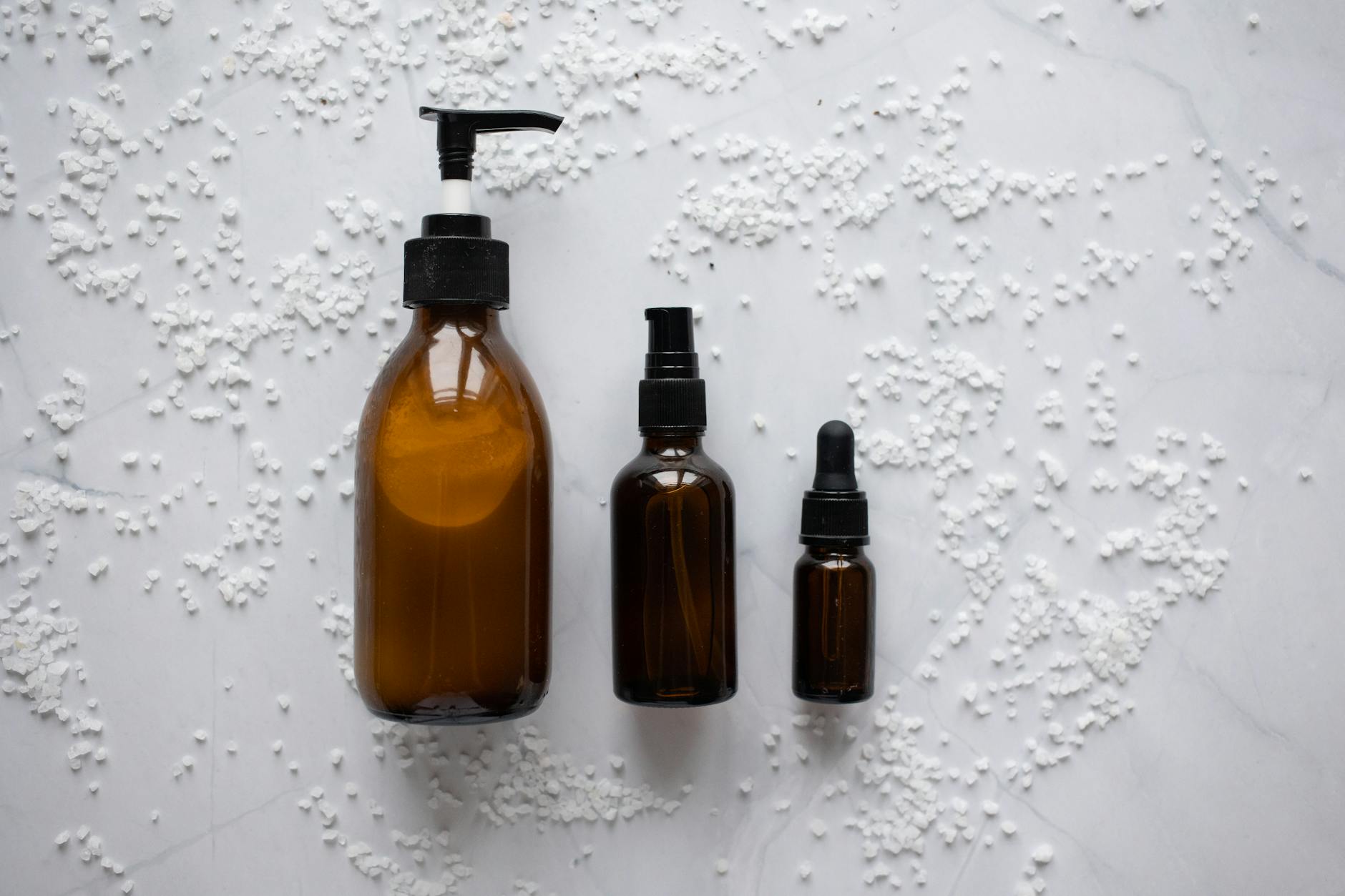
When selecting sustainable packaging, it's crucial to consider both the material's impact on the environment and its practicality. Biodegradable plastics and recycled materials are becoming more prevalent as manufacturers focus on reducing their carbon footprints. Aluminium, known for its recyclability, is also a popular option; many eco-conscious stores in Brisbane’s West End offer aluminium containers that are perfect for repurposing. Additionally, glass, while heavier, is a fully recyclable material that maintains product integrity without leaching chemicals into the environment.
Proper Disposal Methods
Understanding proper disposal methods is a key part of your eco-friendly journey. Even the lush trails of Mount Coot-tha can enjoy the benefit of decreased waste. Always recycle according to your local council's guidelines, ensuring that any recyclable materials like glass or aluminium are rinsed and sorted correctly. For biodegradable options, check if there's a composting service in your area, which can handle items like biodegradable plastics effectively.
Innovative Brands to Watch
In the realm of sustainable packaging, some innovative brands are truly worth noting. Brands focusing on kids sunscreen, for example, are now offering packaging that strives for zero waste—utilizing refillable models or biodegradable elements. Keeping an eye out for such brands will empower you to make choices that align with environmental values, creating a ripple effect of change starting right from your own home, and extending to the beauty of places akin to the vibrant South Bank Parklands.
Overcoming Challenges in Eco-Friendly Sun Protection
Spotting Greenwashing
As someone who often chats with mates during strolls on the lush Mount Coot-tha trails, I know how easy it is to mistake a product as eco-friendly just because it has green leaves on the packaging. Greenwashing can be sneaky but fear not; I've picked up a few tips to help you see through the marketing facades. Always look for certifications from recognised environmental organisations and check ingredient lists carefully. This way, you ensure that when you're sunscreen shopping in West End's eco-conscious stores, you're supporting truly sustainable products.
Balancing Efficacy and Eco-Friendliness
It's like walking through the buzzing South Bank Parklands on a sunny day—finding sun protection that works well without harming our environment can be tricky. The struggle is real, but don't worry, there's light at the end of the tunnel. Opt for sunscreens that use mineral-based ingredients like zinc oxide or titanium dioxide. These not only offer effective shielding against harmful rays but are also less likely to damage marine ecosystems we all cherish here in Brisbane.
Boosting Public Education
Despite the increasing hype, many folks still aren’t aware of the nuances in eco-friendly sun protection. I love the idea of making sun care like a friendly chat over coffee, sharing insights and swapping stories. If you're like my friend who teaches at a local primary school, consider advocating for sun-safe practices both in personal conversations and within your community. With a sprinkle of education and awareness, we can collectively empower each other to make choices that protect not only our skin but also our precious Aussie environment.